Slot 'Shrinkflation' Explained: Why Your Favourite Games Pay Out Less
You’re not imagining it. That feeling that your usual £20 deposit doesn't last as long on your favourite slot? It’s real and it's a phenomenon we call 'slot shrinkflation'. It’s not just a run of bad luck. The truth is, many of the most popular online slots in the UK are released by developers with several different Return To Player (RTP) percentages. The game looks and plays identically, but the underlying maths can be very different. The casino site then chooses which version to offer you. One site might run Book of Dead at its default 96.21% RTP, while another runs a 94.25% version. The game is the same, but the value for you, the player, is significantly worse. This guide from BestCasinoSites.net explains how variable RTPs work, why a small percentage drop makes a huge difference, and what you can actually do to make sure you are always playing the best value version of a game. Produced by:
Editorial Team
Produced by:
Editorial Team
Published: 24 February 2026




The Importance of RTP
RTP stands for Return To Player. You’ll see it as a percentage like 96% or 94%. In practice, most UK online slots sit somewhere in the low-to-mid 90s, although there is currently no legal minimum set by regulation. It’s not that you get 96p back for every pound spent because slots are too random.
What RTP actually affects is how long your money stays in play. You could think of it like fuel economy in a car. Higher RTP = your balance lasts longer. More spins, more chances, more playtime before you’re tapped out. Lower RTP = your money drains quicker. Fewer recycling opportunities, sessions end abruptly. It’s not about whether you win or lose on any given night. It’s about whether your £20 gives you a decent session or disappears in the first five minutes, diminishing your enjoyment.
The games below shows exactly how wide that gap can be. Same title, same developer, same bonus features but the RTP version a casino chooses to run can vary significantly:
| Game | Developer | Highest RTP Version | Lower RTP Version(s) | Maximum Difference | Extra expected loss per £1,000 wagered |
|---|---|---|---|---|---|
| Big Bass Bonanza | Pragmatic Play | 96.71% | 95.67% / 94.50% / 94.02% | 2.69% | £26.90 |
| Gates of Olympus | Pragmatic Play | 96.50% | 95.51% / 94.50% | 2.00% | £20.00 |
| Sweet Bonanza | Pragmatic Play | 96.51% | 95.51% / 94.50% | 2.01% | £20.10 |
| Book of Dead | Play’n GO | 96.21% | 94.25% / 91.25% | 4.96% | £49.60 |
| Starburst | NetEnt | 96.09% | 95.30% / 94.09% | 2.00% | £20.00 |
| Bonanza Megaways | Big Time Gaming | 96.00% | 95.00% / 94.00% | 2.00% | £20.00 |
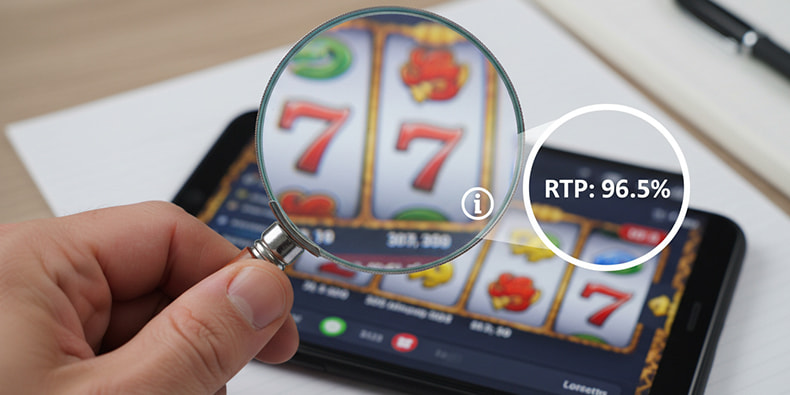
Check the in-game paytable before you play. The RTP is in there. And that single number tells you more about the value of your session than any welcome bonus ever will. Not many players sit there with a calculator working out RTP percentages. What they notice is much simpler:
- “That went quick.”
- “My money didn’t last.”
- “Something feels different.”
It’s exactly like shrinkflation everywhere else. You don’t weigh your Dairy Milk or measure how much foam is in your Pret coffee. You just buy it and think, “Christ, that’s disappointing.”
Recent examples that UK adults may have noticed… but I’m sure you will have your own:
- Cereal boxes that look the same size but contain fewer grams than they used to
- Crisp packets that are mostly air, with noticeably fewer crisps inside
- Pub meals that cost more while portion sizes quietly shrink
- A once-generous coffee loyalty card that now needs 12 stamps instead of 9
You don’t need to run tests to know you are getting less. You just feel it. Slots work exactly the same way.
How a 2% RTP Drop Drastically Shortens Your Playtime
On paper, a couple of points drop in RTP doesn’t sound like much. Not worth thinking about? To be honest, it really is. Over the course of a session (say, 1,000 spins) that 2% compounds. Your money simply doesn’t recycle as many times.
Example below assumes £1 per spin and a £20 starting balance. Real results vary because slots are volatile, but this shows the long-term maths.
| RTP | House Edge | Expected Loss Per £1 Spin | Expected Spins From £20 | What It Feels Like |
|---|---|---|---|---|
| 96% | 4% | £0.04 | ~500 spins | Balance recycles well. Decent session length. |
| 94% | 6% | £0.06 | ~333 spins | Noticeably shorter sessions. |
| 92% | 8% | £0.08 | ~250 spins | Money drains quickly. Momentum dies faster. |
| 90% | 10% | £0.10 | ~200 spins | Feels tight. Sessions often end abruptly. |
Most of your playtime doesn’t come from fresh deposits. It comes from recycling the same money over and over during a session as you hit small wins, spin again, building momentum. When RTP drops, that recycling slows down. Your money doesn’t go round as many times. Wins feel rarer. Sessions lose that momentum and end faster. The game can look identical with the same theme, same bonuses, same flashy graphics. But the underlying experience? Worse value.
Interestingly, research shows that when players are shown high RTP percentages, they actually tend to overestimate their chances and play longer. The reason variable RTPs is not yet the norm is simple. In competitive markets, it doesn’t work long term. Players act according to value, even if they can’t articulate why. They play more where their money lasts and stop depositing at places where it doesn’t.
The assumption is that players will just deposit more to compensate. But that is not how most people actually behave. Spending twice as much doesn’t restore value; it only restores time and even that is temporary. The underlying experience still feels worse. In practice, when value drops, most players don’t complain or announce it. They react more quietly:
- They shorten sessions
- They play less often
- They switch games or sites
- Or they just stop
Paying more for something that feels worse isn’t a decision people make willingly. Especially when other options exist. Nevertheless, there are times when people accept terrible pricing. The lottery, for example. RTP is around 50%. Absolutely awful. But nobody plays the lottery for value. You are buying a daydream about winning millions, not a quality experience. Some one-off events get away with it too. People will tolerate poor value for something genuinely unique or special.
Standard online slots don’t fit any of these categories. They rely on steady recycling and frequent micro wins to feel worthwhile. Cut the RTP without completely redesigning the product and value is stripped away.
So what actually happens to slot players? The process is gradual. At first, most people assume it’s just bad luck. They might top up once or twice, expecting things to even out. Then habits shift. Sessions get shorter. Certain games get avoided. Play becomes more cautious. Eventually, some stop playing entirely. Others open accounts elsewhere. A few even start looking at unlicensed sites that promise better RTP (which comes with obvious risks) but starts looking tempting when licensed sites feel stingy.
Very few people consciously track RTP changes. They just follow the gut feeling of whether their money goes far enough to bother. Here’s the key point: not all casinos are doing the same thing. Some will quietly protect RTP because they understand that long term play depends on value. Others will chase short term margins and hope players don’t notice. Over time, the difference shows up in the simplest way possible. How long your balance lasts.
How to Find the Best Value Slots and Avoid ‘Shrinkflation’
The power is in your hands because not all casinos make the same choice. Some prioritise a player’s value to build loyalty, while others opt for the lower RTP versions to boost their margins. Here’s how to tell the difference:
- Always Check the RTP Before You Play – This is non-negotiable. All the UK-licensed slot sites we compare must display this information, usually in the game’s help file or settings menu (check for a ‘?’ or ‘i’ icon). If a casino makes this hard to find, that’s a red flag.
- Aim for the 96% Gold Standard – While not a hard rule, 96% RTP or higher is widely considered good value for an online slot. Anything below 95% should be questioned.
- Don’t Assume All Games Are Equal – Just because one game from a developer has a high RTP on a site doesn’t mean they all do. Check the RTP for every new game you try.
- Compare the Same Game on Different Sites – Open your favourite slot (like a popular Play’n GO or Pragmatic Play title) on two different casinos you trust and check the listed RTP. You might be shocked to find a difference. Stick with the site offering the better percentage.
- Trust Your Gut (and Your Balance) – If a casino consistently feels “tight” and your money disappears quickly across multiple games, it’s likely a sign they favour lower RTP settings across their library. It’s time to shop around.
Also worth noting: since 2021, UK rules have slowed slots down a bit. Minimum 2.5 seconds per spin, no autoplay, no turbo modes. Some players find this annoying, but it does make sessions less frantic and gives you more time to notice when your balance is draining too fast.
If slots feel worse than they used to, don’t think you are being paranoid. Small behind-the-scenes changes can massively affect how play feels. You don’t have to accept paying more for less. You also don’t need to chase bonuses to make up for poor underlying value. Pay attention to how far your money goes. Compare sites based on real experience and remember that RTP for some games is still something casinos choose.
Some will choose to offer better value to retain players. They are worth finding.
And if you find yourself playing longer sessions to make up for tighter games or chasing losses because the value isn’t there anymore, it might be worth reassessing. The tools are there if you need them: deposit limits, self-exclusion through GAMSTOP and reality checks.