UK Gambling Tax Hits 40% - What It Means for Online Casino Players
The UK online gambling industry entered a new era on 1 April 2026 when Remote Gaming Duty increased from 21% to 40%. The change affects all online casino games, including slots, roulette, blackjack and live dealer tables, representing one of the biggest UK gambling tax increases in history. The increase was first announced in the Autumn Budget 2025, and the government expects the higher rate to raise more than £1 billion per year once fully implemented. For players logging into their accounts today, the immediate question is obvious: does this mean you will pay more? If you are wondering whether gambling is tax-free in the UK, the short answer is yes. You will not see a line item on your withdrawals or a percentage skimmed off your balance. However, when operators face higher costs, they look for ways to protect their margins. That usually means changes to bonuses, promotions and the games themselves. This guide from BestCasinoSites.net explains how the new tax works, why it was introduced and what players can expect to change over the coming months. Produced by:
Editorial Team
Produced by:
Editorial Team
Published: 9 April 2026




How the 40% Casino Tax Works in Practice
Online casino operators in the UK pay Remote Gaming Duty (RGD) on their gross gambling revenue, which is the difference between what players stake and what they win. The tax applies regardless of where the operator is based, provided they are serving UK customers.
To understand the impact, consider a simple example. If a player wagers £1,000 and wins back £950, the casino keeps £50 in revenue. Under the old 21% rate, the tax on that £50 would be £10.50, leaving the operator with £39.50. Under the new 40% rate, the tax jumps to £20, leaving the operator with just £30. That is a 24% drop in what the casino actually takes home. Multiply that across millions of players and billions in wagers, and it becomes clear why the industry has braced for impact.
As we explored when the 2026 gambling duty rise was first proposed, the government’s reasoning for restructuring the gambling tax UK framework, outlined by HM Treasury, centres on three main factors. First, policymakers argue that online gambling operators have significantly lower overheads than land-based casinos and betting shops, allowing them to sustain higher taxation. Second, there is a clear fiscal motive to generate reliable tax revenue. Finally, the policy reflects concerns about gambling harm. Officials have repeatedly described online casino products, particularly slots, as presenting higher risks than other forms of gambling. The higher tax rate on remote gaming is intended partly to discourage operators from focusing heavily on these products.
The Impact on Bonuses, Game RTP and the Offshore Threat
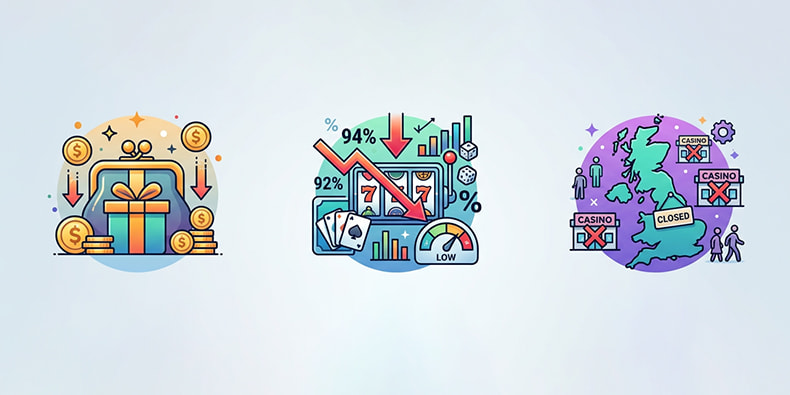
Because there is no direct tax on gambling winnings UK players are required to pay, operators must absorb these new costs internally. The upfront cost of placing a £1 spin or a £5 blackjack bet does not change. Instead, the impact will appear indirectly through the overall value of promotions and rewards.
Smaller bonuses are one of the most likely outcomes. Welcome offers that currently sit around £100 may shrink, and free spins packages could become less generous. The UK Gambling Commission already capped wagering requirements at 10x from January 2026 under updated licence conditions. This limits how casinos can tighten bonus terms, meaning operators are more likely to reduce bonus sizes, impose stricter win caps or restrict eligible games entirely. If you want to see how current offers compare, our casino bonus comparison page is a good place to start.
A less visible change will be the rollout of lower RTP (Return to Player) slot versions. Many online slot games come with multiple RTP configurations. A slot might exist in both a 96.5% and a 94% version, with the casino deciding which one to run. Tighter margins will inevitably push more operators toward the lower-paying versions to offset their increased tax burden, a trend we anticipated in our article on why slots feel worse and what you can do about RTP changes.
There is also a risk of market consolidation. Smaller brands operating on thin margins may decide the UK market is no longer viable, leading to fewer choices for players. A major concern for the industry is that if licensed UK casinos become less competitive, some players may look toward offshore operators that offer larger bonuses. However, these unlicensed sites operate outside the oversight of the UKGC, meaning players lose vital consumer protections, guaranteed dispute resolution processes and strict safeguards for player funds.
How the UK Gambling Tax Compares to Europe
To understand how significant the new rate is, it helps to compare it with other regulated European markets as of 2026. The UK now operates one of the highest tax rates on regulated online casino revenue in the world.
| Country | Online Casino Tax Rate | Tax Type |
|---|---|---|
| United Kingdom | 40% of GGR | Revenue tax |
| Netherlands | 37.8% of GGR | Revenue tax |
| Italy | ~25% of GGR | Revenue tax |
| Spain | ~20% of GGR | Revenue tax |
| Germany | 5.3% of stakes | Turnover tax |
| Malta | ~5% of GGR | Revenue tax |
Bottom Line for Players
The new 40% rate is now active, while bingo duty has been officially abolished. Further changes to the wider gambling sector are already scheduled, with the tax on online sports betting set to rise from 15% to 25% in April 2027, though horse racing bets will remain exempt.
The full effects of the casino tax increase will take time to emerge as operators adjust their business models, marketing budgets and game configurations. Over the course of 2026, players will likely notice the subtle changes in bonuses and game offerings as the industry adapts to this highly taxed environment.
For regular players, the best approach remains unchanged. There is still no gambling winnings tax UK consumers need to declare — your payouts are not considered taxable income and do not need to be reported to HMRC. However, staying informed matters more than ever:
- Compare casino bonus offers carefully before signing up
- Check the RTP on your favourite slots before playing
- Read bonus terms and conditions properly
- Stick to UK-licensed casinos that follow the rules set by the Gambling Commission
Frequently Asked Questions
These are some of the most commonly asked questions and answers about the gambling tax at UK online casino sites.