How the 2026 Gambling Duty Rise Will Change Online Casinos and What Players Need To Know
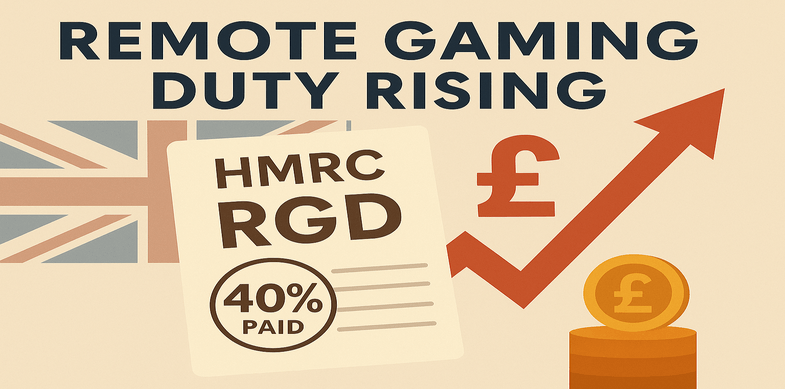
The UK gambling landscape is about to experience its biggest shake-up in a decade. In the 2025 Budget, the Chancellor announced a dramatic rise in online gambling taxes, with Remote Gaming Duty jumping from 21% to 40% from April 2026. Sports betting tax for online operators will also rise from 15% to 25%, and while bingo duty will be abolished, the general direction is clear: the government is shifting the tax burden firmly onto online operators. Produced by:
Editorial Team
Produced by:
Editorial Team
Published: 2 December 2025



The Treasury expects these changes to raise more than a billion pounds a year by 2030. But the details painted a more complicated picture. The Office for Budget Responsibility warned that higher taxes will reduce bonuses, lower RTPs and push some players towards unlicensed sites. So what does this all mean for you as a player, and how should you protect yourself as the sector adapts?
This guide breaks down the changes in plain English and explains the impact on bonuses, odds, safer gambling and how to avoid the risks that come with the growing black market.
What Is Remote Gaming Duty and Why Is It Rising?
Remote Gaming Duty (RGD) is the tax that online casinos pay on their gross gaming revenue. For years it sat at 21 percent, a level that allowed operators to fund generous welcome bonuses, high loyalty rewards and competitive game RTPs.
From April 2026, RGD will rise sharply to 40 percent. This is almost a doubling of the tax burden on every pound of revenue that casinos generate. Industry analysts say the impact will be significant, especially for mid sized operators who rely heavily on offers to attract players.
The government says this increase reflects a priority to tax online activity more heavily than land based gambling. Bingo halls will pay no duty at all going forward and high street bookmakers will keep their 15 percent rate. The policy signals a preference for brick and mortar venues, which are viewed as job creators, while online gambling is seen as easier to regulate and more profitable.
How Will This Affect Online Casino Bonuses?
The first and most noticeable change for players will be the value of bonuses. Operators have already warned that the math does not work under a 40 percent tax rate. To stay profitable, online casinos are expected to cut back on several areas that traditionally delivered the most value for new and returning customers:
- Welcome bonuses
- Free spins packages
- Reload bonuses
- VIP rewards
- Cashback promotions
The OBR has predicted that players will receive less attractive bonuses because casinos will try to absorb some of the increased duty. It is also worth understanding how bonus structures work more broadly, and our overview of UK casino bonuses explains the typical terms and the factors that influence value. Offers with low wagering or no wagering will become significantly harder to find under a 40 percent tax rate.
Expect More Pressure on RTP and Game Selection
Most modern slots include adjustable RTP bands. When casinos face rising taxes and higher operating costs, many will respond by selecting the lower RTP versions provided by game studios.
This does not mean the games are unfair, but it does mean long term returns will shift. A slot previously set at 96 percent might be reduced to 94 or even 92 percent. Casual players will not feel the difference immediately, yet it increases average loss rates over time.
Alongside RTP reductions, players may notice studios or categories being removed. Less profitable games, niche titles, and expensive live dealer content are the likeliest to be trimmed back first.
Sports Betting: Worse Odds and Fewer Offers
Sports betting will face similar challenges. Duty on online sportsbook revenue will rise from 15 percent to 25 percent, while high street bookmakers retain their current rate. This creates a clear divide between physical shops and online markets.
As a result, players should expect reductions in several common incentives:
- Fewer bet boosts
- Fewer free bets
- Worse value on popular markets
- Reduced sponsorship for smaller sports and clubs
Horse racing will remain at 15 percent, making racing promotions relatively more attractive compared to football or tennis.
Will Gambling Sites Become Unprofitable?
Some will. Mid sized and niche UK focused brands have already warned that the new tax level may make ongoing operations unsustainable. The rise also comes at a time when compliance costs have increased, and competition has tightened.
Expect some operators to leave the UK market, reduce product ranges, or merge with larger networks. Well established companies such as bet365, Flutter and Entain will continue to operate but will have far less incentive to offer high value bonuses.
The Risk of More Players Turning to Unlicensed Casinos
One of the most concerning predictions in the OBR report is that tighter margins will push more players toward unlicensed or offshore sites. These operators often advertise bigger bonuses, higher RTPs and low wagering requirements, making them appear attractive at first glance.
Unlicensed casinos, however, carry significant risks:
- No UKGC protection
- No guaranteed withdrawals
- No account security
- No safer gambling tools
- No complaints process
- No age or identity checks
Players should be cautious of deals that appear too good to be true. To understand the risks in more detail, our article on unlicensed casino winnings and tax explains how offshore sites operate, why they are unsafe, and what players lose by avoiding licensed brands.
How to Stay Safe as the Sector Shifts
As conditions tighten, it becomes even more important to recognise the early signs that gambling is becoming unsafe. These can appear gradually, often before players realise their behaviour has changed.
Common early warning signs include:
- Increasing deposit frequency
- Depositing late at night
- Chasing losses
- Switching sites to search for higher bonuses
- Feeling stressed when you stop playing
- Spending more time gambling than planned
Players can reduce these risks by using built in safer gambling tools. These are present at all of our best casino site recommendations and can make a noticeable difference when used early:
- Deposit limits
- Time out periods
- Reality checks
- Session reminders
- Blocking software
- Self exclusion via GAMSTOP
What This Means for Players in the Long Term
The effects of the 2026 duty increase will unfold gradually. Over time, players should expect a noticeable shift across several areas of the online gambling market:
- Fewer bonuses
- Lower RTP games
- More cautious operator behaviour
- More frequent safer gambling interventions
- Less aggressive advertising
- Closure of unprofitable brands
- A clearer divide between offshore and regulated offers
While this will reduce headline value for players, the changes reinforce the importance of staying with licensed operators. The UKGC expects earlier interventions and tighter oversight, which provides protections that unlicensed sites simply do not offer.
Looking Ahead
The 2026 gambling duty rise represents a major shift for the online gambling industry. The government expects higher taxes to reduce harmful play and raise additional revenue. Operators will adapt, but the era of large bonuses and high value promotions is ending.
For players, the safest approach is to stay within licensed environments, use the available safer gambling tools, and be mindful of how the market is changing. Lower bonuses do not have to reduce enjoyment, but staying in control will matter more than ever.